Trees are a beautiful part of any property. They give us shade, clean air, and add natural charm to our homes. But sometimes, trees can turn from a blessing into a risk. Whether it’s storm damage, disease, or just old age, there comes a time when a tree needs to be removed—for safety, health, or peace of mind.
If you’re a homeowner in Northern Virginia, you probably know how quickly weather can change or how tree roots can mess with your yard and foundation. That’s when calling a trusted Manassas tree removal service can be the smartest move you make.
When Is Tree Removal Necessary? Signs You Shouldn’t Ignore
You don’t need to be a certified arborist to spot a dangerous tree. But most of us overlook the warning signs until it’s too late. These are the red flags I always watch out for:
- Leaning Trees: If a tree is tilting more than usual, especially after heavy rain or strong wind, it could be on its way down.
- Cracks in the Trunk: Deep splits or hollow sections usually mean the tree’s structural integrity is compromised.
- Dead Branches: Large, brittle limbs falling without warning? That’s a big clue.
- Fungus at the Base: Mushrooms or soft wood near the roots often mean internal rot.
- Root Damage: If roots are exposed, lifting sidewalks, or dying, the whole tree might be unstable.
Ignoring these issues can lead to serious problems—collapsed trees, roof damage, or even injury.
Why You Shouldn’t Wait to Remove a Tree
Here’s the deal—delaying tree removal can cost you way more than doing it early.
First, there’s safety. Unstable trees can fall during storms or high winds, damaging cars, power lines, or your home.
Then there’s liability. If a tree from your yard falls on your neighbor’s property, you might be on the hook legally.
And let’s not forget property value. A dying or dangerous tree can make your home look neglected. It can even spread disease to healthy trees nearby.
Bottom line? A timely removal saves you stress, money, and possibly legal trouble.
What the Law Says: Tree Removal Rules in Manassas, VA
In Manassas, you can’t just chop down any tree you want—especially if you live in a neighborhood with an HOA or near public land.
- Permits: Some areas require permits for removing trees over a certain size or type (especially if they’re native or protected).
- HOA Guidelines: Many homeowners’ associations have strict landscaping rules.
- City Ordinances: Trees near power lines or sidewalks may fall under city control.
It’s smart to check with local authorities or let your tree service handle it—they usually know the permit process inside and out.
How to Choose the Right Tree Removal Service
This is where people often make mistakes. Not all tree services are created equal. Before I hire anyone, I always check these:
- Are They Certified? Look for ISA-certified arborists. That means they’re trained in tree biology, safety, and pruning.
- Insurance Matters: Don’t risk it—make sure they carry both liability and workers’ comp insurance.
- Experience with Local Trees: Every region has different tree species, pests, and soil. Local expertise matters.
- Reviews and Ratings: Real customer feedback is gold. I always check Google and Yelp before making a call.
Avoid fly-by-night operations offering cheap rates without licenses. That shortcut can cost you big time if something goes wrong.
Tree Removal Costs in Manassas: What to Expect
Prices vary depending on the tree’s height, condition, and location, but here’s a rough breakdown:
- Small Tree (under 30 ft): $300–$500
- Medium Tree (30–60 ft): $500–$900
- Large Tree (60+ ft): $900–$2,000+
Other factors that can raise the price:
- Proximity to buildings or power lines
- Emergency removals
- Hauling away debris
- Stump grinding (more on that below)
A professional quote usually includes cleanup, insurance, and safety gear. It’s worth every penny for peace of mind.
What Happens During a Tree Removal? Step-by-Step
If you’ve never had a tree removed, here’s how the process generally works:
- Inspection & Quote – A certified expert checks the tree’s health and gives an estimate.
- Permit (if needed) – They’ll help you get it or handle it entirely.
- Preparation – Safety zones are marked, and equipment is set up.
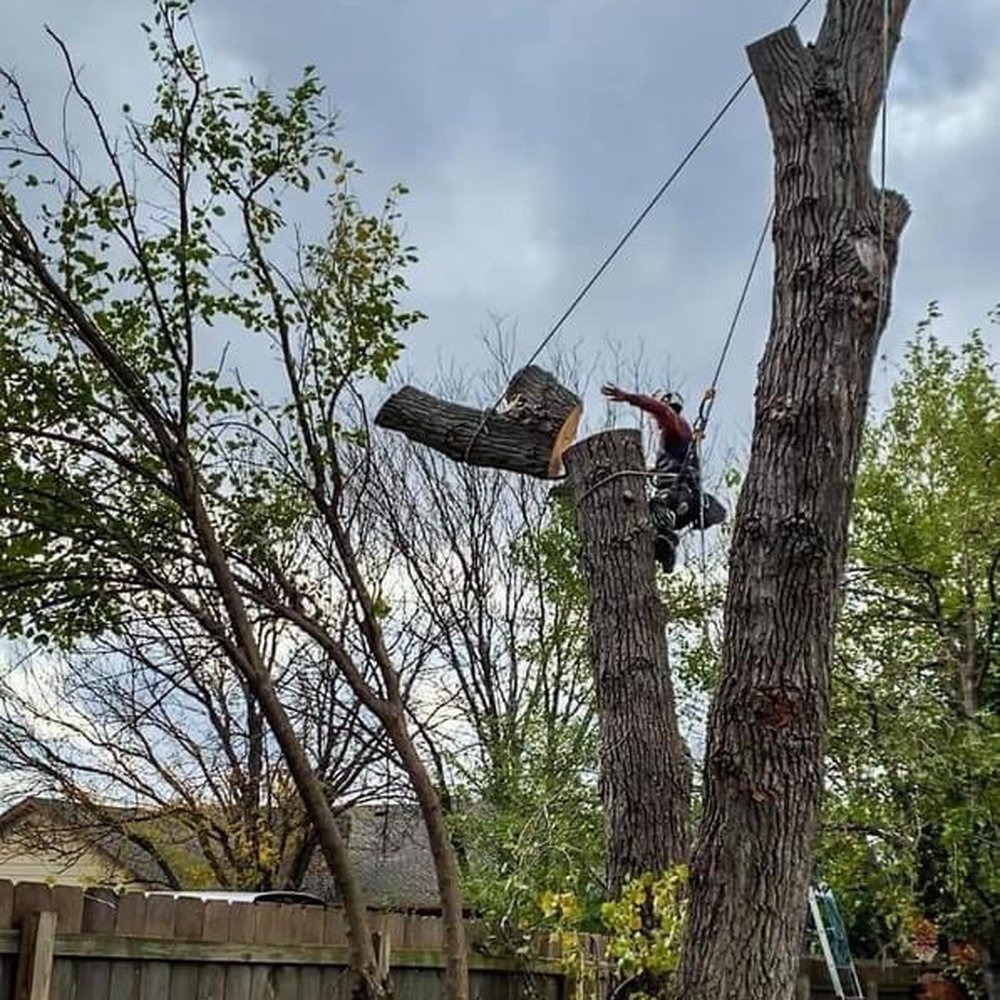
- Cutting – Sections of the tree are removed from top to bottom using ropes, lifts, or climbers.
- Stump Handling – Either left in place or ground down.
- Cleanup – Branches, logs, and debris are hauled away. The site is raked clean.
It usually takes just a few hours but leaves your yard looking safer and tidier.
After the Fall: Stump Grinding and Landscape Recovery
Don’t ignore the stump. Leaving it behind can lead to:
- Pest Infestations – Termites, ants, and other wood-loving bugs.
- Tripping Hazards – Especially for kids or pets.
- Lawn Trouble – Mowing becomes a pain, and roots can still grow.
Most pros offer stump grinding, which chews the stump down below ground level. You can plant grass or even a new tree over it later.
Bonus: Some companies even offer tree replacement options—a fresh start for your landscape.
Final Thoughts: Take Tree Health Seriously
Trees can be your property’s best friend or worst enemy—it all depends on their condition. Whether it’s decay, storm damage, or simple old age, knowing when to act can save you more than money. It can save lives.
A professional tree removal service does more than just cut down trees. They keep your yard healthy, your home safe, and your worries gone.
✅ Quick FAQ
How do I know if a tree is dangerous?
Leaning, cracked trunks, dead branches, or fungus near the roots are signs.
Do I need a permit in Manassas?
Possibly—especially for large or protected trees. Local laws and HOAs may apply.
What’s the average cost to remove a tree?
Anywhere from $300 to $2,000+, depending on size and complexity.
Should I try DIY tree removal?
Absolutely not. It’s risky and dangerous. Always call a pro.
About the Author